
Industry challenges
- High cycle rates with tight synchronisation between feeding, sealing and cutting axes
- Print-mark registration on films and labels
- Frequent format changes that must not rely on mechanical adjustment
- Ageing servo platforms on machines that are otherwise in good condition
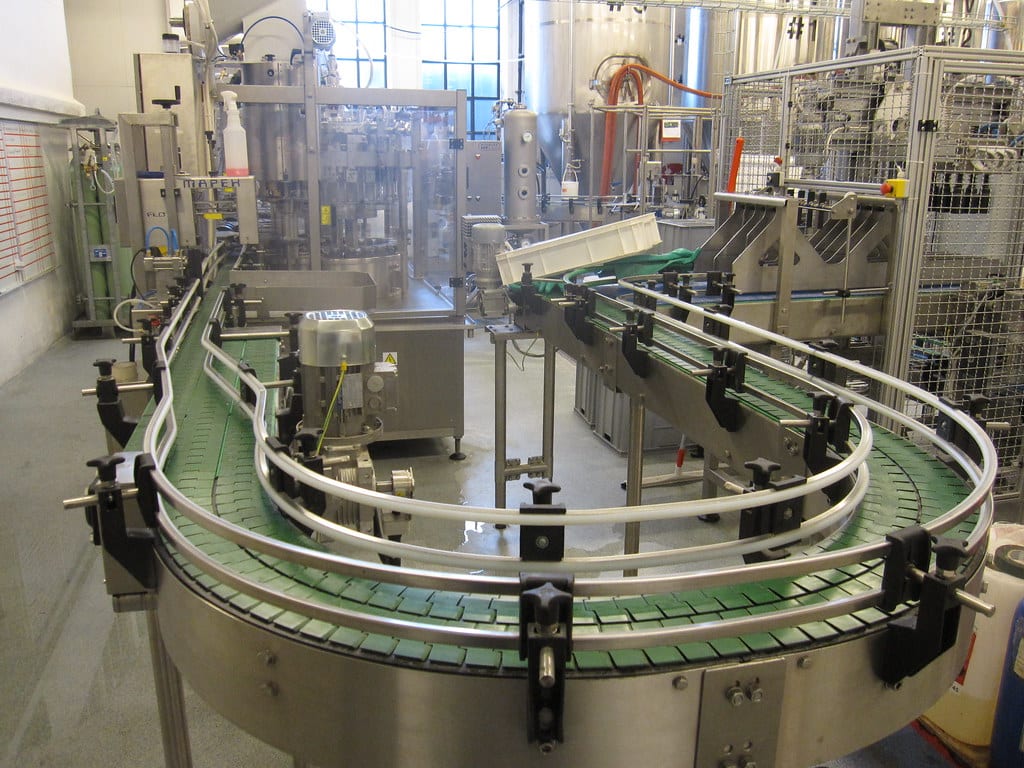
Packaging machines are motion problems
Most of what defines a packaging machine’s output — speed, seal quality, cut accuracy and changeover time — is decided by how well its axes are synchronised. NSPL works with OEMs and packaging plants on the motion architecture, the programming of cams and registration, and the long-term support of installed machines.
Typical tasks include registration and cut-to-print, flying and rotary knives, sealing-jaw motion profiles, product infeed synchronisation and servo-driven format changes.
See Motion Control, and for installed machines, Retrofit & Modernization.
Applications
- Horizontal and vertical form, fill and seal machines
- Filling, seaming and capping
- Cartoning, case packing and palletising
- Candy wrapping, blister and aseptic packaging
- Dosing and auger filling
Partner products
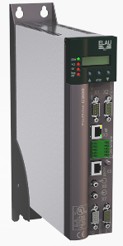
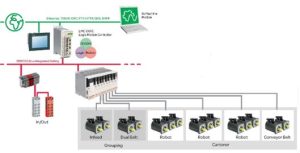
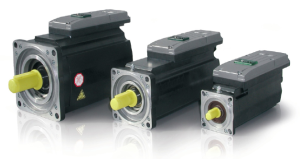
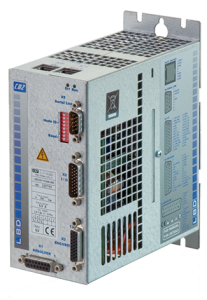
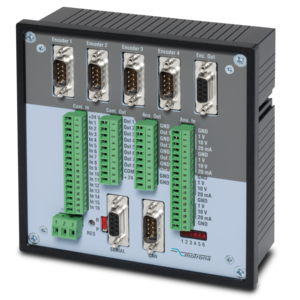
Products from NSPL’s principal partners that are commonly used here.
Frequently asked questions
Which motion-control approach suits high-speed form-fill-seal equipment?
Form-fill-seal machines generally need a motion controller or motion-capable PLC that can run electronic cams and registration correction, coupling the film feed, sealing jaws and cutter to a common master. The right choice depends on axis count, speed, whether the jaws run continuous or intermittent motion, and the control platform the OEM standardises on.
Can servo controls be retrofitted on an older packaging machine?
Yes, provided the mechanics are sound. A retrofit replaces the obsolete controller, drives and often the HMI while retaining the machine's mechanical design, and can improve changeover through recipe-based motion profiles.