Outcomes
- Accurate positioning, speed and torque control matched to the mechanics of the machine
- Synchronised multi-axis motion (electronic gearing, cams, registration) without mechanical line shafts
- Faster changeover through recipe-driven motion profiles instead of mechanical adjustment
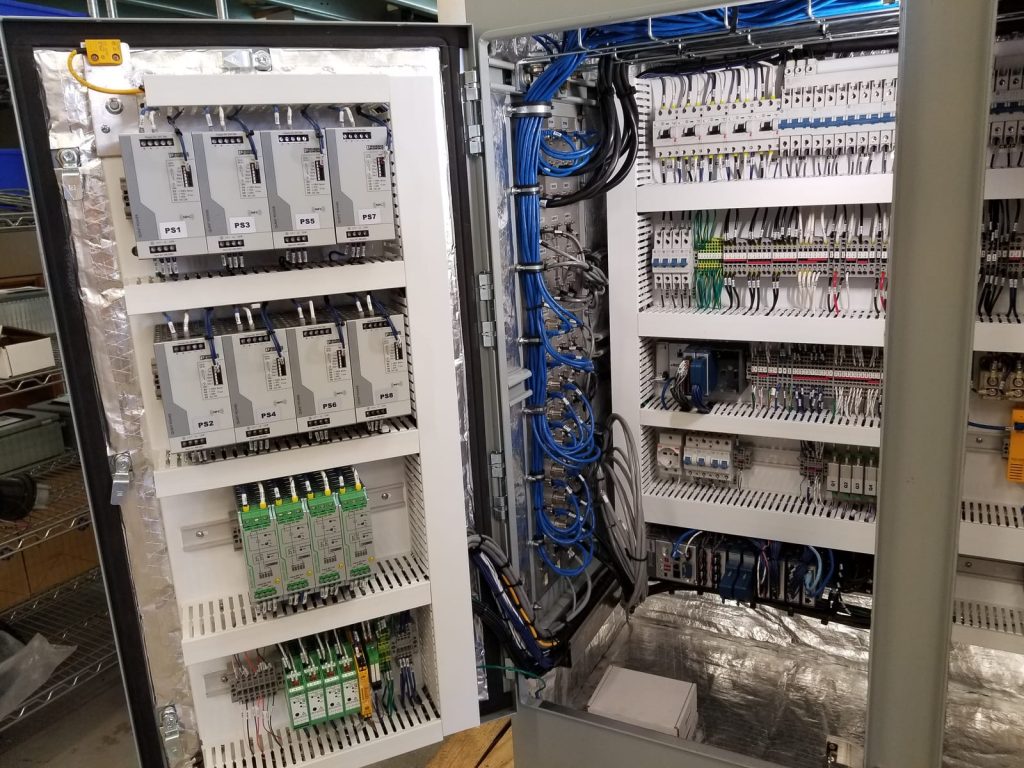
- A documented control architecture that the maintenance team can support
What NSPL delivers
Motion control is where the digital control system meets the mechanics of the machine. A servo axis that is undersized, badly tuned or poorly synchronised shows up as scrap, noise, wear and lost throughput. NSPL’s work starts from the application — what the product, the mechanism and the cycle need — and only then moves to hardware selection.
A typical motion-control engagement covers:
- Application analysis — load, inertia ratio, speed/acceleration profile, duty cycle and accuracy targets.
- Architecture — whether motion runs in a dedicated motion controller, a PLC with motion functions or in intelligent drives, and how axes are coupled (fieldbus, encoder emulation, virtual master).
- Component selection — controller, drives, motors, gearboxes, encoders and safety functions, sized with margin rather than guesswork.
- Programming and tuning — motion profiles, cams and registration logic, followed by loop tuning on the real mechanics.
- Commissioning and handover — test records, parameter backups and training for the people who will support the machine.
Typical architecture
A synchronised machine usually has a real or virtual master axis that every follower axis references. Followers are coupled through electronic gear ratios or cam tables, and registration sensors correct the phase against print marks or product position. Operators select recipes on an HMI, and the motion controller exchanges status and diagnostics with the line PLC over a fieldbus.
Where this fits with other NSPL services
Motion control is often part of a broader machine automation project, or a retrofit of an older servo system. For installed equipment, see after-sales support and repair.
Typical applications
- Registration and print-mark correction on packaging and printing lines
- Flying cut-off, rotary knife and cut-to-length
- Winding and unwinding with tension or diameter control
- Indexing tables, pick-and-place and transfer axes
- Master/follower synchronisation of conveyors and line sections
Partner products
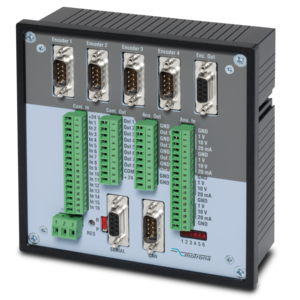
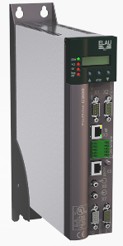
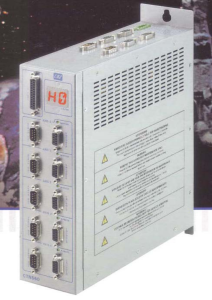
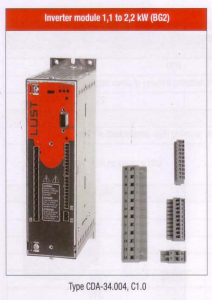
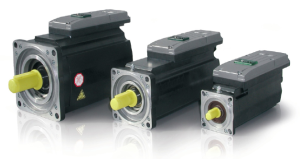
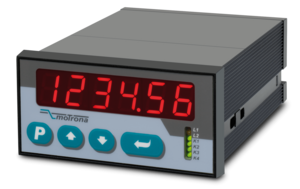
Products from NSPL’s principal partners that are commonly used here.
Frequently asked questions
When does a machine need a dedicated motion controller rather than a PLC?
A dedicated motion controller is usually justified when several axes must stay synchronised (electronic cams, gearing, registration), when cycle rates are high, or when motion profiles change often with the product. Simple point-to-point positioning of one or two axes can often be handled by a PLC with motion function blocks or by an intelligent servo drive.
What information should I prepare before asking NSPL about a motion application?
The number of axes and how they relate to each other, load masses or inertias, required speeds and accelerations, positioning accuracy, cycle rate, the existing control platform and fieldbus, supply voltage and the operating environment. Drawings or a short video of the machine help a great deal.
Can NSPL work with the control platform already standard in our plant?
Yes. NSPL's engineers work with a range of control platforms and fieldbuses and will first check compatibility with what is installed before proposing new hardware. Where a change of platform is recommended, the reasons and migration effort are stated explicitly.